Contact Us

Insulation

Insulation

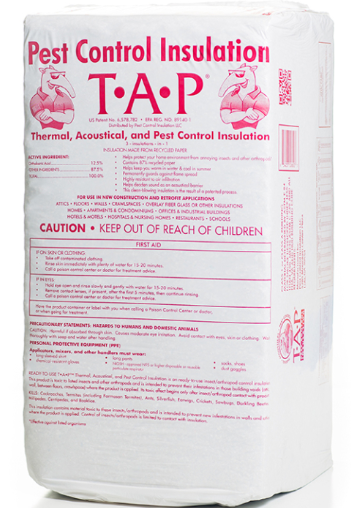
TAP Insulation

What does T.A.P.  stand for?

Thermal, Acoustical, Pest control insulation. It can kill a variety of insects, but NOT birds, rodents, squirrels, or other mammals.

How does it kill bugs?

Unlike other forms of insulation, TAP is specially treated with a borate solution that, to humans, is about as toxic as table salt. But as insects come into contact with it, the material sticks to their bodies and is then ingested when they groom themselves. Since they are unable to pass the substance, it gathers in their guts and eventually causes them to die of dehydration or malnutrition.

What does it kill? ( per the label)

Cockroaches, termites, ants, silverfish, earwigs, crickets, sow bugs, darkling beetles, millipedes, centipedes, booklice, firebrats, dermestids, lady beetles, boxelder bugs, stink bugs, kudzu bugs, bat bugs, pill bugs snails and slugs. ( highlight some key attic pests we commonly see during our wildlife inspections).

Is it Ecofriendly?

Yes. Cellulose is already viewed as one of the greenest building products in the world, and T.A.P. cellulose is consisted of over 80% recycled materials. TAP is registered with the Environmental Protection Agency.

Is it effective when used as a cap?

Yes, these benefits are effective when used to cap an attic

Is TAP cellulose better than other insulation?

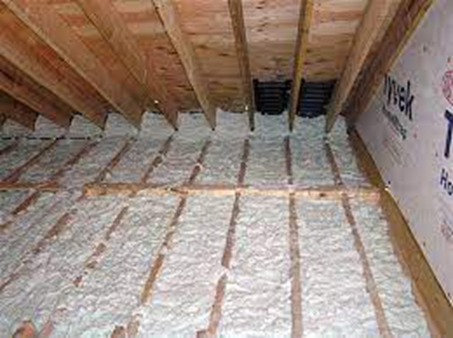
Yes, in an addition to killing a variety of insects, cellulose is thicker than other forms of traditional insulation, it slows the flow of air through it. That means, it keeps your home warmer in the winter and cooler in the summer. Your HVAC equipment will have less wear and tear and use less energy, ultimately saving money on your annual heating and cooling bills. TAP is also very effective at reducing sounds from outside.
Insulation Sales & Safety

Anytime we are dealing with activity in an attic, an attic inspection should be performed. This will provide an opportunity to assess the attic for issues.

Safety First

  • Wear the proper PPE
  • Bring 3 light sources
  • Make sure you have a long enough ladder to access attic
  • Be aware of heat conditions- stay hydrated, start early in summer months, take breaks, use the buddy system
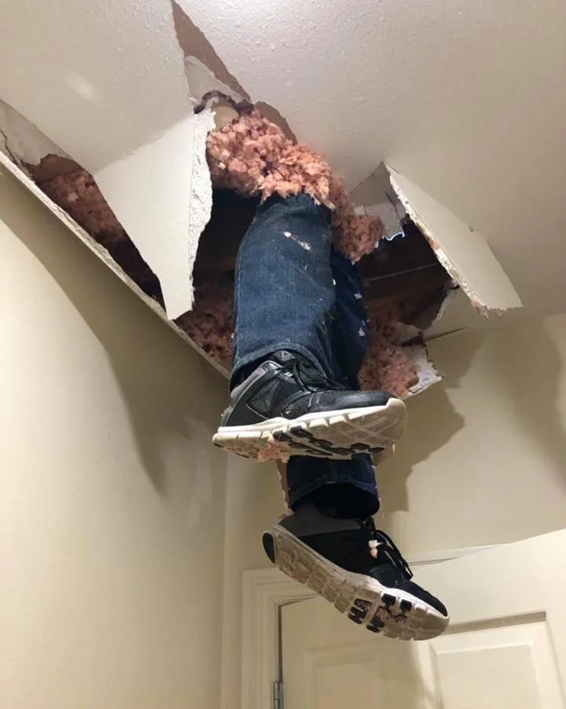
  • Go slow to avoid falls
  • Be aware of joist spacing (usually 16 or 24 inches)
  • Look for and avoid electrical hazards

Reasons to quote insulation:

  • Damaged/tunneled insulation- wildlife/rodent activity(bats, birds, squirrels, raccoons, mice)
  • Droppings/guano/urine in attic
  • Inadequate amount of insulation
  • TAKE PICTURES TO SHARE WITH CLIENT!

Report other issues in attic to client:

  • Moisture issues
  • Roof leaks
  • Mold/mildew

Things to consider

  • Is there more than one attic space?
  • How much damage is there? Spot clean out or complete removal?
  • How accessible are attic areas? Trip hazards, narrow openings HVAC or client belongings in attic space?
  • Clog hazards?
  • How many layers of insulation needed?
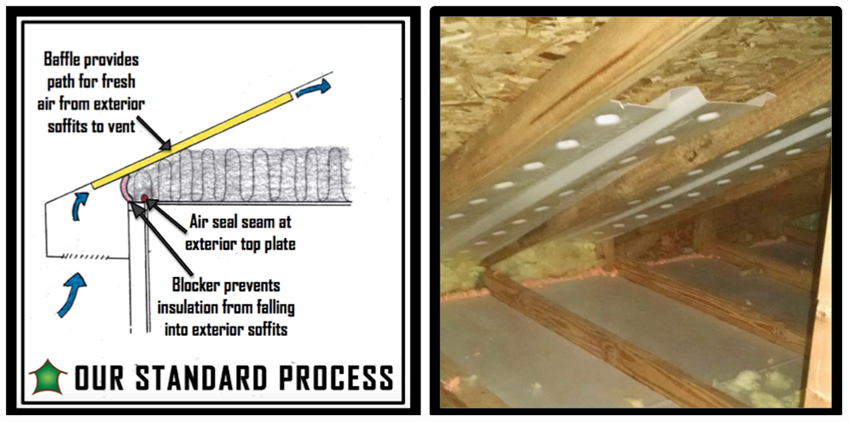
  • Baffles needed? If so, how many?
  • Dumpster needed? If so, placement?
  • Where is equipment access to attic, determines hose feet needed and dust containment?
  • Are air scrubbers necessary?
  • How many techs needed?
  • Time of year

Sales Tips

Explain the benefits

  • Increased energy efficiency in both summer and winter
  • Cost savings, will pay for itself over time
  • Added home value
  • Peace of mind

Tell customers to contact their insurance company/read policy information and sometimes the damage maybe covered.

Scheduling and Execution

Scheduling

  • Communicate with client to schedule
  • Make them aware of dumpster placement if applicable
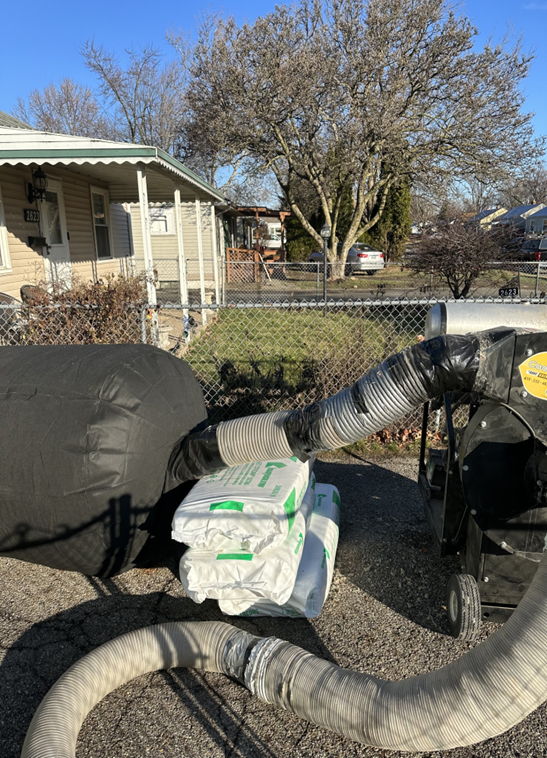
  • Plan for vehicle parking and trailer set up locations
  • Set up equipment as close to attic access as possible
  • Plan time frame for completion of job

Execution

  • Line up technician/supervisor help
  • Make sure equipment is available and in good working order 48 hours prior to date
  • Make sure you have all PPE- Safety glasses, nitrile gloves, Tyvek suit, respirator and 3 light sources
  • Slow is smooth- accidents will happen when in a rush
  • Be professional, remember you are in someone else's home
  • Leave the home better than you found it, clean up ALL debris
  • Put the trailer away and reload insulation used to set yourself/team up for success at the next use