Contact Us

Gophers

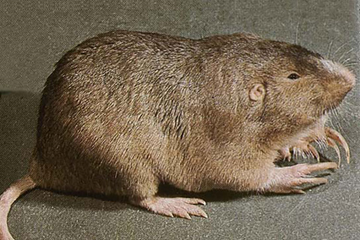
Identification

  • Pocket gophers are burrowing rodents that get their name from the fur-lined pockets found on the outside of their mouths. These pouches are used to carry food. They are powerfully built animals with a short neck, large-clawed fore paws, small ears and a sparsely-haired tail. Pocket gophers can range in size from 5 to 14 inches long.
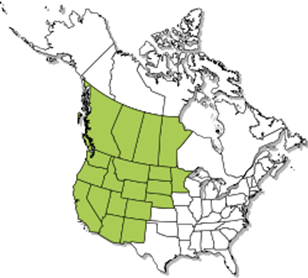
  • In our service area, pocket gophers are common ONLY in Minnesota -but are not present in Ohio or the other states in which we work.
Biology

  • Breeding period: March-May
  • Gestation:  28-49 days
  •  Birth period:  March- June
  • Litters per year: 1 in northern climates, 2 in southern climates
  • Litter size:  1-3
  • Feeding period: Day and night, digging most active at night
  • Gophers feed on fleshy, underground roots, bulbs, tubers and fruits
  • Range

Inspection

  • Gophers are a type of common nuisance wildlife in the state of Minnesota. Customers will commonly call for service due to the damage done to the lawn.
  • Remember to use the information provided by the customer as a starting point for inspection. This may come from direct communication with the customer or the notes from client service detailed in the work order/proposal. 
  • On initial inspection start by walking the yard.  Look for burrows throughout the lawn. 
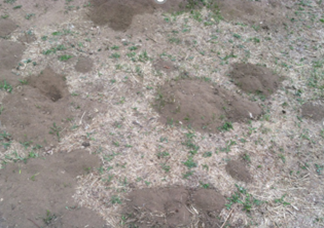
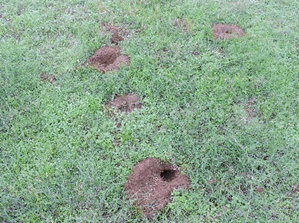
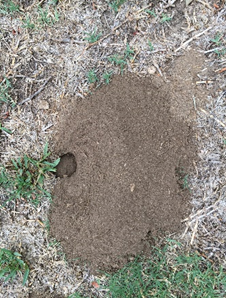
  • Pocket gophers are also recognized by the mounds they build around openings to their burrow systems. These mounds may be horseshoe-shaped or crescent-shaped and are likely to have a visible entry hole.
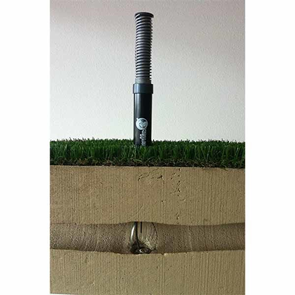
  • Burrow systems consist of a main burrow, generally 4 to 18 inches below ground, with several, or sometimes many, lateral burrows that branch off from the main burrow. Lateral burrows end at the soil surface with either a soil plug or a mound. At some point in the burrow system, the tunnel might go as deep as 6 feet below ground and may include widened nest chambers lined with dried grass.
Gopher Burrow
  Gopher Burrows in Lawn

Control

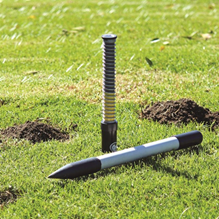
  • Lethal trapping methods are commonly used to control gophers.  GopherHawk and Gophinator traps are both good options. 
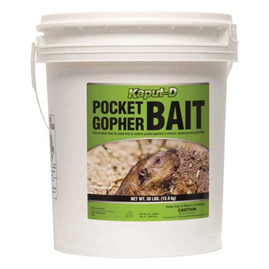
  • Lethal baits can be placed in burrows. Kaput-D is a good option.
GopherHawk Trap
GopherHawk Trap
Gopher Bait

Pro Tips

  • Gopher burrows typically have an exposed opening and displaced dirt will be in a fan pattern. 
  • When setting Gophinator traps, set one facing each direction of the run.  Bait in between traps the traps with peanut butter to increase catches.
Fan Pattern in Gopher Burrow