Coyotes
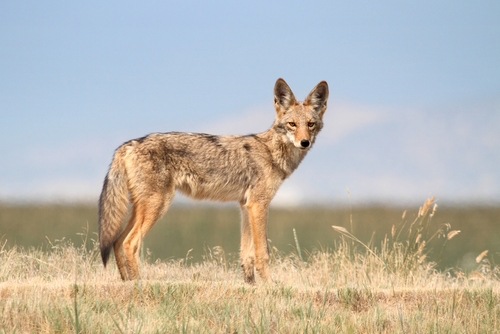
resemble a German Shepard with pointed ears, a slender muzzle, and a bushy
tail. Color is usually brownish gray with a cream-colored belly, although this
coloration can range from nearly black or red to nearly white in some
individuals or local populations. Males weigh from 25-50 lbs.; females weigh
between 22-35 lbs.
Biology
Breeding
period: February-March
Gestation: 9 weeks
Birth
period: April- May
Litters
per year: 1
Litter
size: 5-7
Feeding
period: Night
Coyotes feed on rodents,
small animals, birds, livestock, carrion, insects, fruits and garbage.
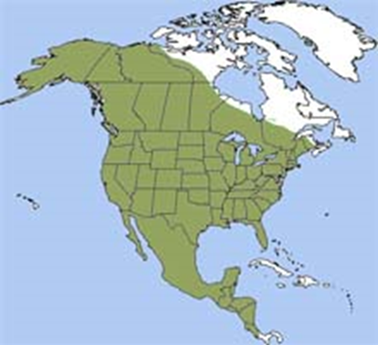
Range
Inspection
Customers typically call to request coyote removal because of coyote sightings on or around their property. They may have pets or small children and have safety concerns.
Communication is key when handling a coyote job and gathering all the information you can from a client will be very beneficial. Details to remember are: What time are they seeing the animal? What location? Are there travel patterns? This conversation with the customer will go a long way in determining your success during a trapping service.
When conducting the initial
inspection be sure to look at satellite photos of the surrounding terrain. Although traps are always set on the customer's property, it will be
greatly beneficial to see what avenues of approach the coyotes are using to
access the property.
After looking at the satellite images begin by inspecting the property.
Things to look for are terrain junctions where two habitats meet up
creating an edge. (For example, crop field to woods, or lawn to ditch.)
Anything that creates a change in the
terrain, even a lone tree in the middle of a field or a depression between two
rises in the ground will funnel these animals. This includes anything that can
help them feel safe while traveling and shield them from view while providing
easy avenues of escape.
Where these locations
intersect the client’s property is where to inspect for sign.
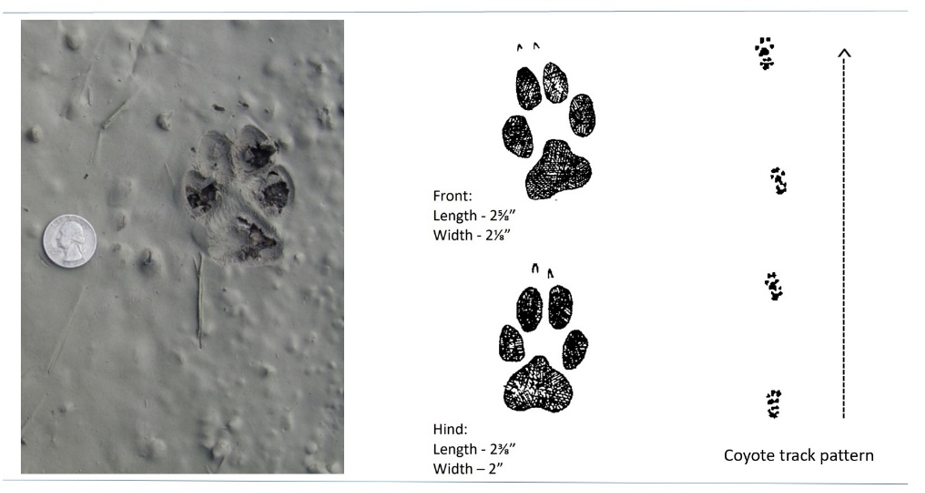
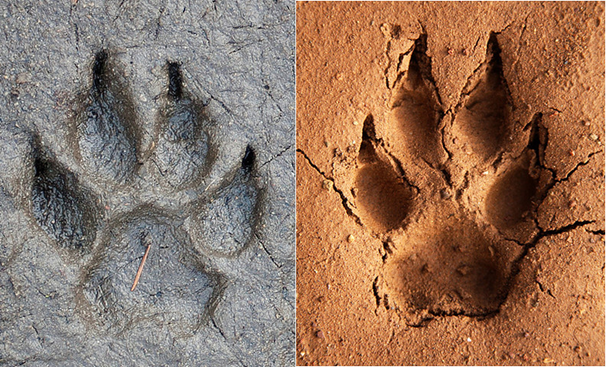
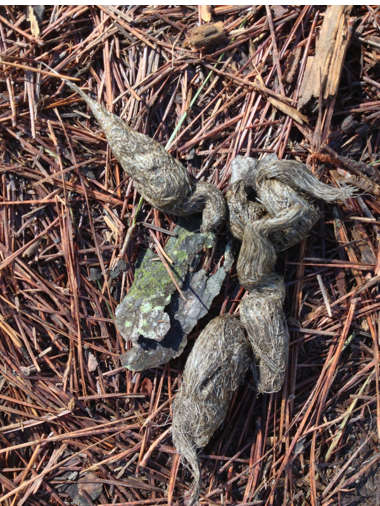
Tracks and scat will be the two
obvious markers for coyote activity and setting traps in these locations will increase success.
Document findings in the service report for the inspection. Provide a proposal for removal if sign is found and trapping service is recommended.
Coyote Tracks
Coyote Tracks
Coyote Scat
Control
Trapping
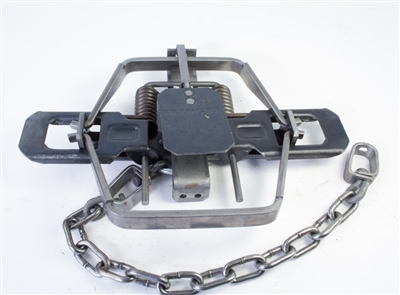
is the most common method of controlling coyotes. Typically, foothold traps or
snares are used for trapping.
The primary trap used for coyote is an
Offset foothold ranging in size from #1.75 up to #3. Trap sizes are legislated
by the Department of Natural Resources, be sure to check regulations
and work within the law.
Cage traps can be successful in catching young of the year.
Baits include professional grade
meat-based baits and gland and curiosity lures.
Cellular
cams should always be used when traps are set for coyotes. 24-hour monitoring
will allow a quick response if any animal is caught. This includes non-target animals that will
need to be released as soon as possible.
Monitoring
using cellular cams can be done before trapping to determine if the animal is
continuously visiting an area.
Exclusion
in the form of buried wire may be offered if the animal is going under a
structure. However, this is uncommon because coyotes tend to den away from
people.
Pro Tips & Videos
Unexperienced canine trappers should always contact a supervisor or experienced technician when working on this type of job.
With
coyote trapping it will be important to determine how visible captured animals
will be to the public. Try to set traps
in discrete locations and keep visibility limited.
Consider
the likelihood of non-target catches when placing traps. Discuss the possibility of other dogs entering
the area with the customer beforehand and if risk is too high don’t set footholds
or snares. Use live traps or collarum
instead.
Choice
baits/lures include: Dunlap's Hellfire or Massacre, Mark June's Widowmaker or Coyote Frenzy and fox or coyote urine and beaver castor.